













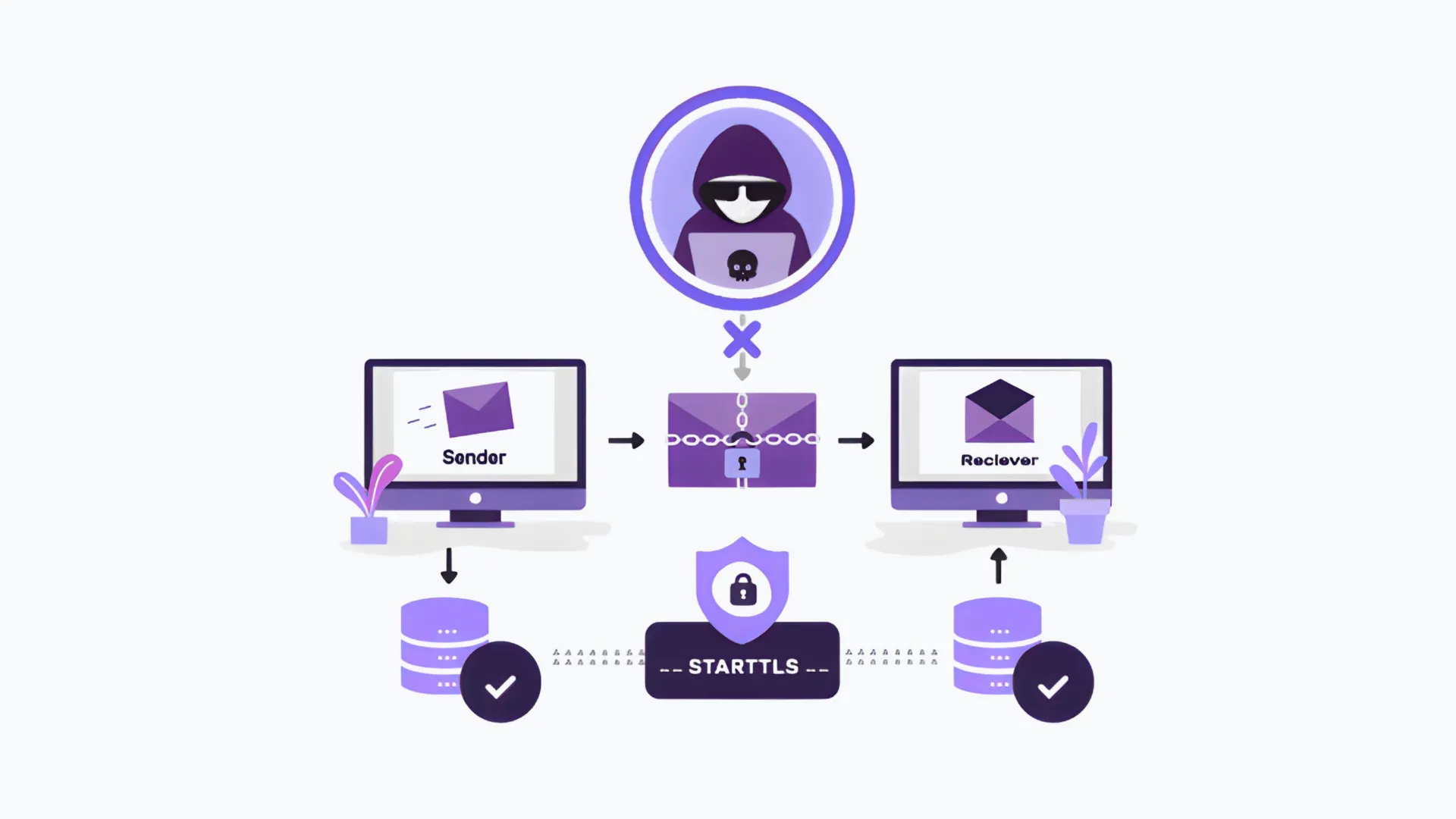
MTA-STS TLS-RPT deserve more attention this quarter because they solve two real problems at once. First, they strengthen how mail moves between servers. Second, they show where TLS delivery breaks in the wild. For security-conscious email programs, that combination matters. Encryption at rest and authentication at the edge are no longer enough on their own. The transport layer also needs policy, visibility, and routine review. That is why MTA-STS TLS-RPT are shifting from nice-to-have controls to practical baseline upgrades.
Why inbox security now reaches beyond SPF, DKIM, and DMARC
Most email teams already know the core stack. SPF helps validate senders. DKIM protects message integrity. DMARC adds alignment and policy. However, that stack does not fully solve transport security between mail servers.
A message can still face downgrade attempts, weak TLS negotiation, or delivery failure tied to certificate and policy issues. That gap is where many programs lose confidence. The message may be authenticated, yet the path it takes can still be less trustworthy than expected.
This is where the conversation changes. Security teams are no longer asking only whether a message was authorized to send. They are also asking whether it was delivered over the transport conditions they intended. That is a more mature question, and it reflects a more mature program.
As mailbox ecosystems tighten and buyers ask harder security questions, transport policy becomes a visible signal of competence. Therefore, teams that want a stronger email security posture should stop treating transport controls as side projects. They belong on the operating roadmap.
Why MTA-STS TLS-RPT matter now
MTA-STS TLS-RPT work well together because each solves a different part of the problem. MTA-STS lets a domain publish a policy that says receiving mail servers should use TLS and should connect only when the certificate and destination rules match that policy. TLS-RPT, meanwhile, gives domain owners reports about TLS failures tied to their mail flow.
That pairing is useful for one simple reason: enforcement without visibility is risky, while visibility without policy is incomplete.
MTA-STS raises the bar for transport integrity. It helps reduce the chance that mail will quietly fall back to a weaker path. TLS-RPT then tells operators what is failing, where it is failing, and how often it is failing. As a result, teams can move from guesswork to evidence.
In practice, that means fewer blind spots. Instead of hearing about problems from users, customers, or a vague deliverability dip, the team gets structured failure data. That makes troubleshooting faster. It also makes change management safer.
For organizations that send sensitive business mail, this is no longer advanced hardening. It is sensible engineering.
MTA-STS TLS-RPT rollout needs stages, not shortcuts
The fastest way to create trouble with MTA-STS TLS-RPT is to treat setup like a one-step DNS edit. It is not. A sound rollout is staged, deliberate, and verified at each step.
First, publish the DNS signal for MTA-STS and make sure the policy file is hosted correctly over HTTPS. The file has to be reachable, cleanly formatted, and aligned with the domain’s actual MX posture. Small syntax mistakes can create outsized problems later.
Next, publish TLS-RPT so reporting starts early. This gives the team real-world feedback before stricter enforcement enters the picture. That step is crucial because mail infrastructure often looks simpler on a diagram than it does in production.
Then validate everything. Check policy syntax. Confirm certificate behavior. Review report flow. Test edge cases, including third-party routing, legacy systems, and temporary mail paths. Meanwhile, document who owns each dependency.
Only after the reports are stable and the policy is behaving as expected should the team move toward stricter modes. That sequence reduces surprises. More importantly, it turns rollout into controlled change rather than hopeful configuration.
Common mistakes that weaken transport security gains
The most common mistake is assuming MTA-STS TLS-RPT are set-and-forget controls. They are not. Mail infrastructure changes. Providers change. Certificates rotate. Routing can drift. Therefore, any policy tied to a past snapshot will eventually go stale.
Another mistake is rolling out strict posture before the team has enough reporting history. That often creates avoidable failures, especially when hidden dependencies exist. A secondary relay, a forgotten appliance, or a regional route can break expectations fast.
Teams also stumble when ownership is vague. Security may publish the requirement, while messaging, infrastructure, and DNS teams each own a fragment of the stack. If no one owns the full operating model, the control degrades over time.
Finally, some organizations monitor reports for a week, declare success, and move on. That misses the real value. TLS-RPT is not only a launch aid. It is an ongoing signal. It helps catch drift, certificate problems, and policy mismatch before those issues become visible to users or customers.
Good transport security is not built by one clean deployment. It is maintained by repeatable review.
Operational review turns MTA-STS TLS-RPT into durable controls
The best security upgrades survive quarter after quarter because they are tied to routine operations. MTA-STS TLS-RPT should be reviewed the same way mature teams review DNS, authentication, and sending reputation.
A practical cadence is simple. Review policy health on a schedule. Watch TLS-RPT trends for anomalies. Recheck hosted policy availability. Confirm that MX records, certificates, and routing still match documented intent. In addition, include these checks in deployment workflows when mail vendors, gateways, or DNS records change.
This matters because transport security fails quietly until it does not. A policy file can disappear. A certificate chain can break. A vendor change can introduce mismatch. Without review, those failures sit unnoticed.
By contrast, teams that build MTA-STS TLS-RPT into regular operations get something better than compliance. They get resilience. They can tighten transport expectations without losing observability. They can improve security without flying blind.
That is why these upgrades deserve priority now. Not because they are fashionable, but because they make the email stack more trustworthy in a way that can be measured, monitored, and maintained.
Was this article helpful?
Your feedback helps us improve future guides.
Need help applying this to your email program?
Get an expert plan for automation, deliverability, and campaign execution aligned to your stack.
Get Expert Support


Comments